
digging deeper into the technical specifications of the vehicles hitting the road. We matched the California sales numbers of every EV model with its technical specifications - specifically, its battery capacity and maximum charging power.
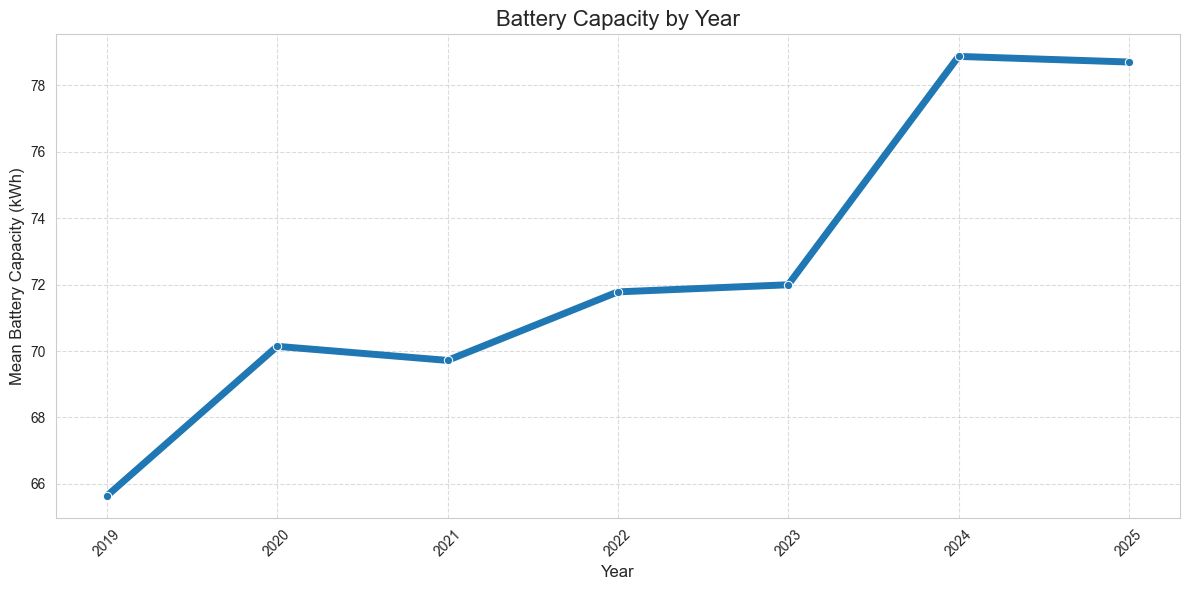
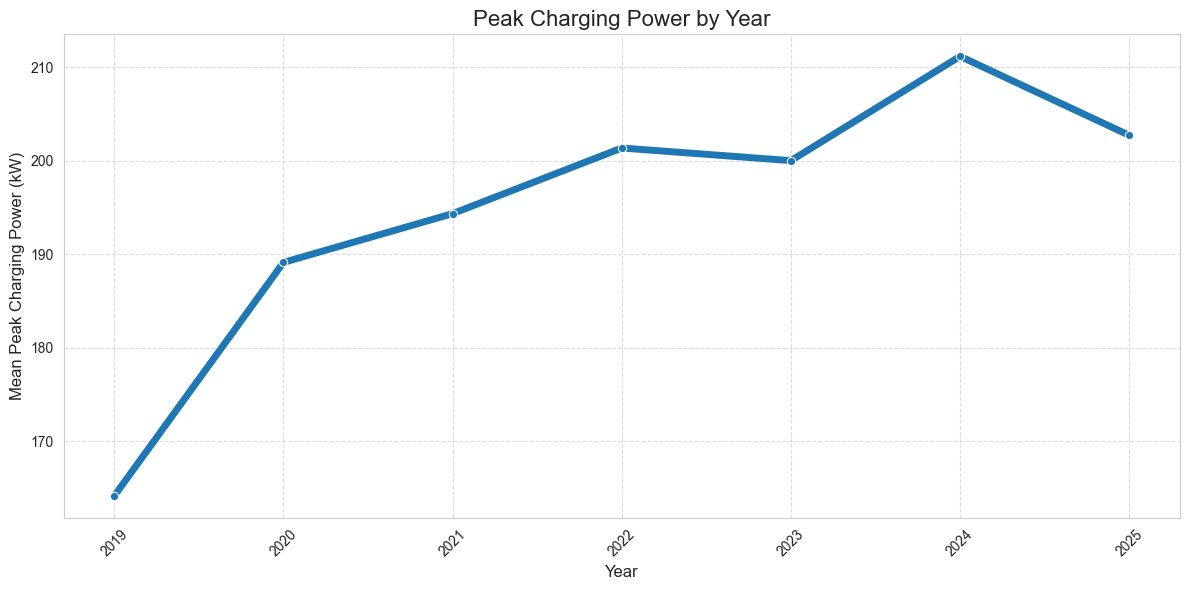
What does this tell us? Both key metrics are showing a marked and consistent increase over time across the entire installed base of new vehicles.
-
Battery Capacity (kWh): Vehicles sold today hold significantly more energy than models from a few years ago.
-
Maximum Charging Power (kW): The newest generation of EVs can accept higher power rates when charging.
The Critical Implication for Charging Stations:
For an EV charging station operator or planner, this trend implies a dramatic and rapidly shifting demand pattern - a problem currently masked by California's specialized utility tariffs.
The jump in maximum charging power means the peak load on the charging site is growing. This is a massive concern because of Demand Charges, which are fees utilities levy based on the single highest power spike (kW) a site draws in a billing cycle.
While the California Public Utilities Commission (CPUC) has offered specific commercial EV tariffs - such as SCE's multi-year demand charge holidays or PG&E's subscription-based rates - to support the initial build-out, this relief is not permanent. Once these provisions expire, the new wave of ultra-fast chargers meeting the demands of these higher-spec EVs will face devastating cost spikes.
The inevitable return of full, unmanaged demand charges will threaten the business case for fast-charging sites.
The long-term takeaway is clear: charging networks must be future-proofed immediately. Deploying ultra-fast chargers is only half the battle. The other half is integrating:
- Smart Load Management (Dynamic Power Allocation): To control power draw in real time, adjusting dynamically to driver’s needs and power availability.
- Battery Energy Storage Systems (BESS): To allow time-shifting of demand and supply.
- Smart control of both: To match the capabilities of the BESS to signals from the grid, while ensuring superb driver experience, and increasing profitability by purchasing energy at cheap times, peak shaving, and controlling demand charges.
At evPower.ai, we are on top of this, developing AI-based DLM to increase the CPO’s profitability while delivering superb driver experience. Interested? Contact us.